
Published April 3, 2023
Remodeled Home Series: Don't Underestimate What A Remodel Can Do

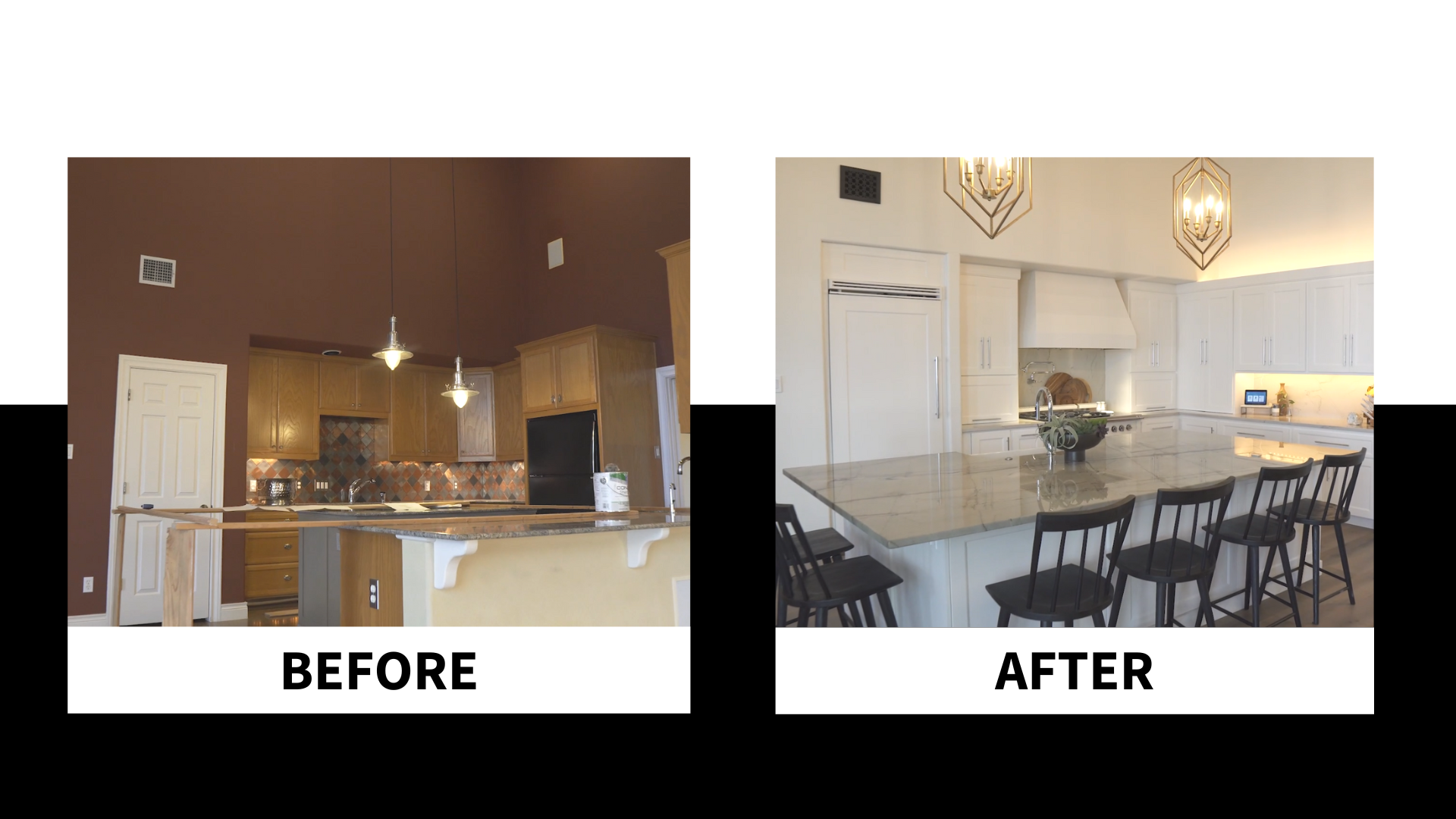
The Remodeled Home Series is a weekly series that will showcase different areas of the Arant's beautifully remodeled home in Austin, TX. From updated entryways to outdoor living spaces and everything in between, this series is a source of inspiration for anyone looking to bring their own remodeling dreams to life.
Home remodeling is a thrilling and rewarding adventure that allows you to transform your living space into the home of your dreams. Whether you're looking to update a dated design, expand your living space, or simply enhance the functionality of your home, a remodeling project can breathe new life into your environment and significantly improve your quality of life. From selecting the perfect materials to coordinating with contractors and navigating the inevitable challenges that arise, the process of remodeling a home can be both exciting and daunting. But with careful planning, creativity, and a little bit of patience, you can turn your vision into a reality and create a home that truly reflects your unique style and personality.
Home remodeling offers a wide range of benefits that can significantly enhance the comfort, style, and functionality of your living space. Read on to find out why you should never underestimate the impact a remodel can make.
Benefits of Home Remodeling:
1. Improved comfort and functionality: A well-executed remodeling project can optimize the layout of your home, creating more comfortable and functional living spaces that better suit your lifestyle and needs.
2. Increased home value: A well-planned and executed remodeling project can increase the value of your home, making it more attractive to potential buyers should you decide to sell in the future.
3. Upgraded energy efficiency: Many remodeling projects can improve the energy efficiency of your home, from replacing windows and doors to upgrading your HVAC system. This can result in lower energy bills and a more eco-friendly home.
4. Enhanced safety and security: Remodeling projects can also improve the safety and security of your home, from installing new fire safety features to upgrading your home security system.
5. Personalization: Remodeling your home allows you to express your personal style and preferences, creating a living space that is uniquely yours.
6. More space: Remodeling can also create more space in your home, whether it's through an addition, expanding an existing room, or reconfiguring the layout.
Steps to Remodeling a Home
Remodeling a home involves a number of steps that need to be carefully planned and executed. Here is an overview of the typical steps involved in a home remodeling project:
1. Define the scope of the project
The first step in any home remodel is to define the scope of the project. This will help to ensure that the project stays on track and within budget. Consider what you hope to achieve, what your budget is, and what your timeline is. Some things to consider when defining the scope of a home remodel include the following:
-The size of the area to be remodeled
-The type of work to be done (e.g., kitchen, bathroom, basement)
-The level of finish desired (e.g., cosmetic updates or complete gut job)
-The timeline for the project
-The budget for the project
2. Develop a plan
Once the scope of the project has been defined, it is important to hire a qualified professional who can complete the work within the desired timeframe and budget. Work with an architect, designer, or contractor to develop a detailed plan for the remodel. This will include a design, a budget, a timeline, and a list of materials and resources needed.
When interviewing contractors, be sure to ask for references and check their licensing status. It is also important to get everything in writing, including a detailed contract, before work begins.
3. Obtain necessary permits
Depending on the scope of the home remodel, it may be necessary to obtain one or more permits from your local government. For example, if you are planning on making structural changes or electrical upgrades, you will likely need a permit. Failure to obtain the necessary permits can result in delays and additional costs down the road. Make sure to do this before starting the work.
4. Demo existing finishes
Once the contractor has been hired and permits have been obtained, it is time to start demolition on existing finishes. This step can be messy and disruptive, so be sure to plan accordingly. This may involve removing old fixtures, walls, or other materials to make room for the new design. If possible, try to schedule demolition during a time when you will not be using the space, such as when you are out of town on vacation.
5. Construction
With the demolition complete, the construction phase begins. This may involve building new walls, installing new flooring or fixtures, and other structural work. This is typically the most time-consuming part of a home remodel, so it is important to be patient during this process.
6. Install Utilities
After the construction work is complete, utilities such as plumbing, electrical, and HVAC systems will need to be installed.
7. Finishing Touches
Once the utilities are installed, the finishing touches can be added. This includes things like painting, installing cabinets, countertops, and other fixtures, and adding any decorative elements.
8. Final Inspection
The final step is to have the work inspected to ensure that it meets all necessary building codes and regulations. The key to a successful home remodeling project is careful planning, attention to detail, and effective communication with your contractor or designer.
Here are some before-and-after snippets:
Overall, a well-planned and executed remodeling project can significantly improve the quality of life in your home, making it more comfortable, functional, and personalized to your unique needs and tastes.
Follow us on Social Media